Kyoto’s Whispering Zen Gardens: Ancient Harmony
The quiet geometry of raked gravel, moss clusters, and intentional spatial awareness in Japan’s cultural capital.
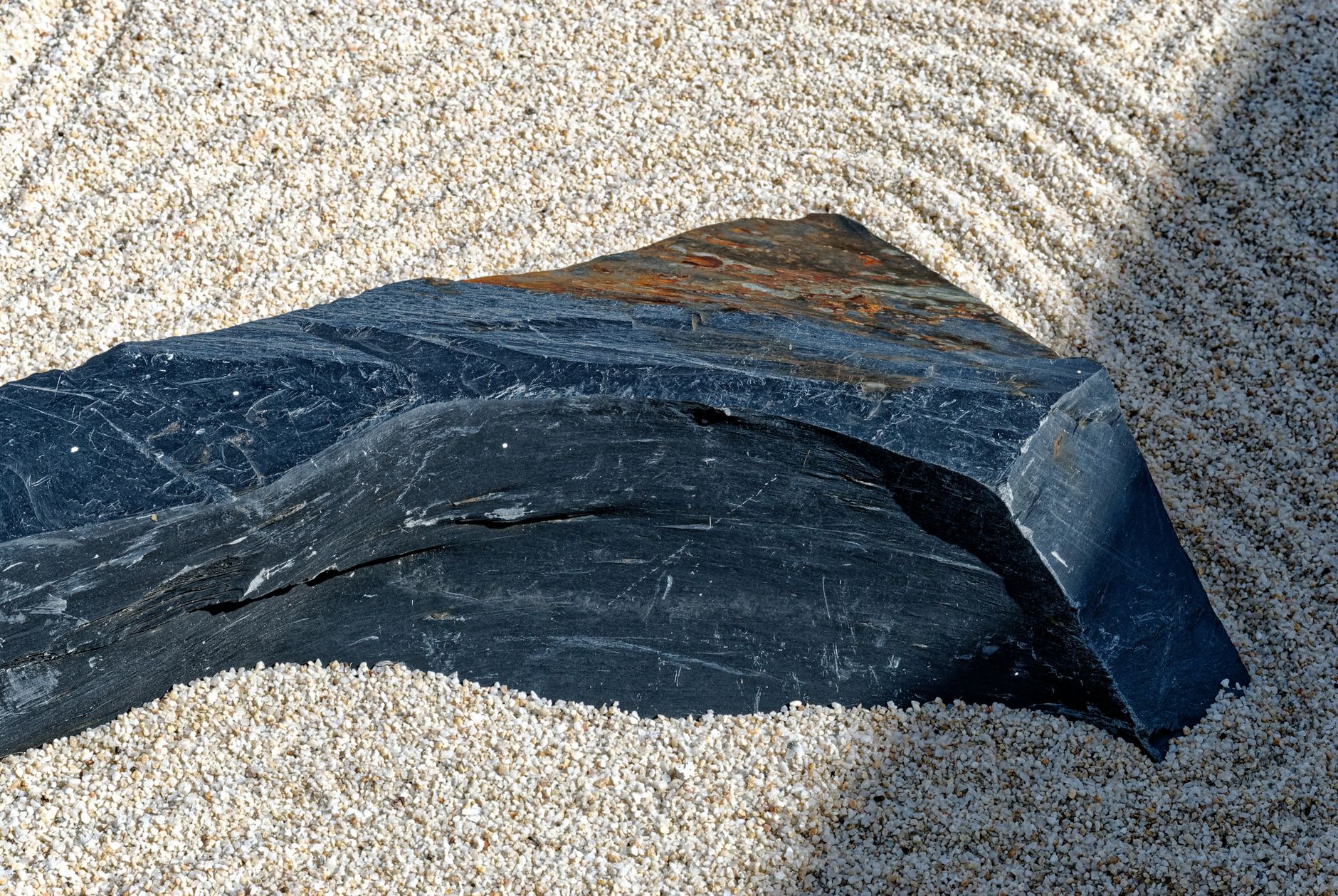
The Doctrine of Emptiness (Ma)
In the quiet morning hours at Ryoan-ji, before footsteps echo along the polished cedar verandas, the dry rock garden reveals its mathematical poetry. Fifteen stones are arranged across a bed of white river gravel in such a manner that from any vantage point on the veranda, at least one stone remains hidden from sight.
This design is deliberate: an architectural reminder of life's perpetual incompleteness. In Japanese design philosophy, the space between objects—known as ma—is endowed with equal or greater significance than the objects themselves.
“The garden does not represent nature; it distills it to its elemental pulse—stone, sand, and seasonal light.”
Tea and Fleeting Moments
Crossing toward the northern district of Daitoku-ji, hidden sub-temples invite travelers to experience chado (the way of tea). Sitting on woven tatami mats while listening to water boil in an iron kettle cultivates an exquisite mindfulness, grounding modern nomads back into the tangible reality of the present.